Budgeting Tips For College Students: Master Your Money
Feeling stressed about managing your finances while in college? You’re not alone.
College life is an exciting adventure, but it can also be a time when money worries start to creep in. Whether it’s paying for textbooks, grabbing a coffee between classes, or saving for a night out with friends, every dollar counts.
Imagine having the freedom to enjoy your college experience without the stress of financial burdens. Sounds incredible, right? With the right budgeting tips, you can achieve just that. Dive into this guide to discover practical, easy-to-follow strategies that will empower you to take control of your finances. By the end of this article, you’ll be equipped with tools to make your money work for you, not the other way around. Ready to unlock the secret to financial peace of mind during your college years? Keep reading.
Setting Financial Goals
Setting financial goals is crucial for college students who want to manage their money wisely. By establishing clear objectives, you can avoid the stress of unexpected expenses and keep your spending in check. Whether you’re saving for a new laptop or planning to graduate debt-free, having a roadmap will make your financial journey easier and more rewarding.
Short-term Goals
Short-term goals are achievable in a few months to a year. These can include saving for textbooks, a spring break trip, or an emergency fund. Start by identifying what you need and how much it will cost.
Consider using a budgeting app to track your progress. Many students find it helpful to set aside a small amount each week dedicated to these goals. You’ll be surprised at how quickly your savings can grow with consistent effort.
Have you ever missed out on a fun event because of lack of funds? Setting short-term goals helps you avoid this. It ensures you’re prepared for spontaneous opportunities while still managing your priorities.
Long-term Goals
Long-term goals require more planning and discipline. These might include paying off student loans, saving for a car, or even planning for further education. Think about where you want to be financially in the next five to ten years.
Start small by contributing to a savings account regularly. Even a modest monthly deposit adds up over time. Reflect on your spending habits and consider what you can adjust to meet these goals.
Imagine graduating without the stress of debt hanging over you. By setting long-term goals, you’re investing in your future freedom and stability. What sacrifices are you willing to make now for the peace of mind later?
Setting financial goals can seem daunting, but it’s all about taking that first step. What financial goal will you start working towards today? The sooner you begin, the sooner you’ll reach your destination.
Tracking Expenses
Tracking expenses is crucial for college students managing their budgets. It helps in understanding where money goes and areas to save. This practice leads to better financial decisions and prevents overspending.
Using Apps And Tools
Digital tools simplify expense tracking. Apps like Mint and PocketGuard offer easy setups. They categorize spending automatically. Students can view their financial habits with graphs and charts. Alerts notify users of budget limits.
Online banking apps provide real-time updates. They track every transaction. Students can set spending limits directly in the app. Some tools link bank accounts for automatic tracking. Privacy features ensure data safety.
Manual Tracking Methods
Some prefer manual tracking. A notebook can document daily expenses. Writing down every purchase makes spending real. It promotes mindfulness in financial decisions.
Spreadsheets offer flexibility. Students can customize categories. Excel or Google Sheets work well for this method. They allow detailed tracking without internet access.
Envelope systems are another option. Cash is divided into envelopes for different expenses. Once an envelope is empty, spending stops. This method is tangible and direct.
Creating A Realistic Budget
Budgeting tips help college students manage money wisely. Create a list of expenses to understand spending habits. Prioritize essential costs like rent and groceries to avoid overspending.
Creating a realistic budget is a fundamental skill for college students aiming to balance their finances effectively. Crafting a budget that reflects your actual income and expenses can prevent financial stress and help you live within your means. While budgeting might seem daunting initially, breaking it down into manageable steps can simplify the process.
Assessing Income Sources
Start by identifying all the sources of income you have as a college student. This could include part-time jobs, internships, allowances from parents, or scholarships. Consider the consistency of each source. Is your part-time job seasonal, or do you have a stable monthly paycheck? Knowing this helps you plan better. Make sure to account for any irregular sources, like gifts or one-time payments. These might be tempting to spend all at once, but saving a portion can be wiser.
Categorizing Expenses
Once you know your income, list out your expenses. Divide them into categories like rent, groceries, utilities, and entertainment. Are there areas where you tend to overspend? Pinpointing these helps you make adjustments and prioritize your spending. Look for expenses that could fluctuate, like utilities. Can you cut down on energy use or find cheaper grocery alternatives? Creating a table with these categories can provide a clear picture of where your money is going. Do you find yourself wondering where your money went at the end of the month? Tracking expenses can answer that question and help you stay on track. Budgeting is a skill that takes time to master. With these steps, you’re on your way to financial stability and peace of mind during your college years.
Managing Fixed And Variable Costs
Balancing fixed and variable costs helps college students manage their budget effectively. Prioritize essentials like rent and utilities, while adjusting flexible expenses such as dining and entertainment. This approach ensures financial stability throughout the semester.
Navigating the financial landscape as a college student can be challenging. Balancing limited income with numerous expenses requires a strategic approach. Understanding the difference between fixed and variable costs is crucial. By effectively managing both, you can create a budget that supports your academic journey and personal life without unnecessary stress.
Identifying Fixed Expenses
Fixed expenses are those costs that remain constant each month. These include rent, utility bills, and subscription services like streaming platforms. Knowing these figures helps you plan effectively. Consider your housing situation. Do you live on-campus, or have you chosen an off-campus apartment? Rent is likely your largest fixed expense. Ensure this cost fits within your overall budget. Subscriptions can sneak up on you. List all services you pay for regularly. Decide if you use them enough to justify the cost. Eliminating even one can free up funds for other needs.
Controlling Variable Expenses
Variable expenses fluctuate from month to month. They include groceries, dining out, and entertainment. These costs offer more flexibility, but can quickly spiral if unchecked. Create a weekly spending limit for groceries. Plan meals and make a shopping list to avoid impulse purchases. Cooking at home not only saves money but can also be a healthier option. Dining out and entertainment are tempting but often costly. Consider limiting these activities to special occasions. Invite friends for a potluck instead of going out, or explore free events on campus. Ask yourself, “Where can I cut back without feeling deprived?” Small adjustments in your variable spending can lead to significant savings over time.
Saving On Necessities
College students can save money by planning their budgets carefully. Focus on essentials like food and books. Use student discounts, compare prices, and buy in bulk to cut costs.
Managing a tight budget can be one of the most challenging aspects of college life. But fear not! With some smart strategies, you can save significantly on your necessities. Let’s delve into some practical tips that will help you stretch your dollar further, without sacrificing your needs.
Affordable Food Options
Eating on a budget doesn’t mean surviving on instant noodles alone. Look for student discounts at local restaurants and cafes. Many eateries near campuses offer special deals for students. Cooking at home is another great way to save. A simple meal plan can cut costs drastically. Buying groceries in bulk from wholesale stores can make a huge difference in your monthly expenses. Explore farmer’s markets for fresh produce at lower prices. You’ll be surprised at the quality and savings. Challenge yourself to make a delicious meal with just a few dollars.
Cost-effective Housing
Finding affordable housing can be tricky, but it’s not impossible. Consider sharing an apartment with roommates to split the rent and utilities. This can significantly reduce your monthly expenses. Look into on-campus housing options. They are often cheaper and save commuting costs. If you prefer living off-campus, check out local classifieds or student housing groups online for deals. Think about negotiating your lease terms. Landlords might be willing to lower rent if you sign a longer lease or offer to maintain the property. What creative solutions can you find to lower your housing costs? By implementing these strategies, you’ll find more room in your budget for other priorities. Saving on necessities doesn’t mean giving up on quality—it just means being a bit more resourceful. Happy budgeting!
Smart Shopping Habits
College students can save money by planning their spending wisely. Make a list of essentials before shopping. Compare prices online and in stores to find the best deals.
Navigating the world of shopping as a college student can be a challenge, especially when you’re trying to stick to a budget. Developing smart shopping habits can help you save money and make the most of your limited funds. Whether it’s taking advantage of student discounts or learning how to avoid impulse purchases, these strategies can make a big difference in your financial well-being.
Taking Advantage Of Student Discounts
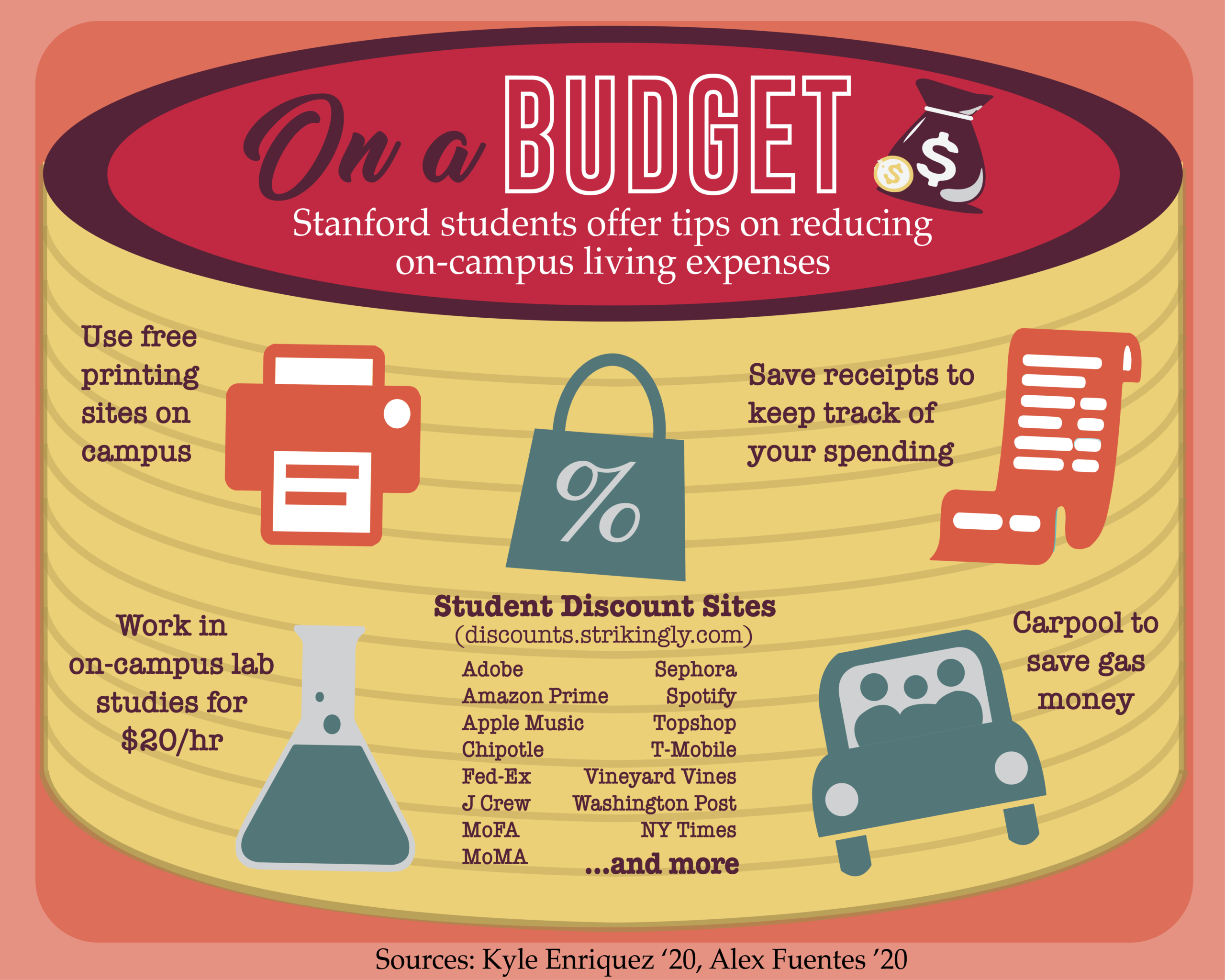
Did you know that your student ID can be more powerful than just a library pass? Many retailers offer discounts specifically for students, ranging from clothing stores to tech companies. Whenever you’re about to make a purchase, ask if there’s a student discount available. Online platforms like UNiDAYS and Student Beans aggregate these deals, making it easier to find discounts without leaving your dorm room. It’s worth signing up for these services as they often include exclusive offers. Make it a habit to check for discounts before you buy, and watch how those savings add up over time.
Avoiding Impulse Purchases
Impulse purchases can wreak havoc on your budget, leaving you with buyer’s remorse and an empty wallet. Have you ever bought something on a whim, only to realize later that you didn’t really need it? To curb this habit, try implementing a 24-hour rule—wait a day before making a non-essential purchase. Creating a shopping list and sticking to it is another effective strategy. It helps you stay focused on what you actually need and reduces the temptation to buy unnecessary items. Remember, every impulse purchase you avoid brings you a step closer to financial stability. By adopting these smart shopping habits, you’re not just saving money—you’re also learning valuable skills that will benefit you long after college. What will you do with the money you save? Perhaps invest in experiences that will enrich your college life, or start building a safety net for the future. The choice is yours.
Building An Emergency Fund
College students can build an emergency fund by setting aside small amounts regularly. Track expenses and prioritize essentials to save more. Even $5 a week can grow over time, offering financial security during unexpected situations. Smart budgeting helps students manage their money effectively.
Building an emergency fund is vital for college students. It offers financial security during unexpected situations. An emergency fund acts as a safety net. It covers unforeseen expenses like medical bills or car repairs. Establishing this fund early can prevent financial stress. It ensures that students stay focused on their studies.
Importance Of An Emergency Fund
Having an emergency fund is crucial for college students. It helps manage unexpected costs without borrowing money. Students often face sudden expenses. These can disrupt their monthly budget. An emergency fund provides peace of mind. It reduces reliance on credit cards. This helps in avoiding debt accumulation. Students can handle emergencies smoothly. They remain financially stable throughout their college journey.
Strategies To Save
Saving for an emergency fund requires discipline. Start by setting a small, achievable target. Even $10 a week adds up over time. Cut unnecessary expenses. Limit eating out and opt for homemade meals. Use public transportation. It is cheaper than owning a car. Sell unused items online. This can boost your savings. Consider part-time work or freelancing. Use this income to grow your fund. Regularly review your budget. Adjust it to increase savings. Stay committed and watch your fund grow.
Exploring Income Opportunities
College students often juggle expenses and limited income. Discover practical budgeting tips to manage finances effectively while exploring extra income opportunities. Save money, track expenses, and find creative ways to earn.
Managing your finances in college can be challenging, but finding the right income opportunities can make a significant difference. Many students are unaware of the diverse ways they can earn money while still focusing on their studies. By exploring various income avenues, you can ease financial stress and even gain valuable work experience. Let’s look at how part-time jobs and freelancing can help you build a better budget.
Part-time Jobs
Part-time jobs are a classic choice for college students. They offer a reliable income and often come with flexible hours that fit around your class schedule. On-campus jobs, like working in the library or cafeteria, can be convenient and reduce travel time. Off-campus opportunities, like retail or food service, can also be rewarding. They not only provide an income but also teach time management and customer service skills. Have you considered how a part-time job can enhance your resume while helping you pay for textbooks?
Freelancing And Gigs
Freelancing offers flexibility and the chance to work in your area of interest. If you have skills in writing, graphic design, or coding, online platforms can connect you with clients looking for your expertise. This can be a great way to gain professional experience and build a portfolio. Gig economy jobs, like ride-sharing or food delivery, can be another option. They allow you to work on your own schedule and can be ideal if you have a car and some free time. Have you thought about how using your talents in freelancing could not only earn you money but also boost your career prospects? By considering these options, you can find the balance between earning and learning. What steps will you take to start your income journey today?
Avoiding Debt Traps
Creating a budget helps college students avoid debt traps. Track expenses and prioritize needs over wants. Save a small amount regularly for emergencies.
Navigating college life is exciting, but the financial aspect can be daunting. The prospect of debt is a reality many students face, often without fully understanding the long-term impact. Avoiding debt traps is crucial for maintaining financial health and ensuring a brighter future. By being mindful of credit use and comprehending loan terms, you can steer clear of financial pitfalls. Imagine graduating not just with a degree, but with a solid financial foundation. How empowering would that be?
Using Credit Wisely
Credit cards can be both a friend and a foe. They offer convenience but can quickly lead to overwhelming debt if mismanaged. Always pay more than the minimum balance to reduce interest charges. Before swiping your card, ask yourself if the purchase is a necessity. Prioritize essentials and set a monthly budget for discretionary spending. Consider using a credit card with no annual fee and a low-interest rate. Check if there are student-specific cards offering rewards for responsible use. Learning to manage credit responsibly now will benefit you long after college.
Understanding Loan Terms
Student loans are often unavoidable, but understanding the terms can save you from future headaches. Pay attention to interest rates and repayment schedules. Even a slight difference in interest rates can significantly impact the total repayment amount. Consider what the monthly payments will look like post-graduation. Are they manageable on an entry-level salary in your field? Look for loans offering a grace period after graduation. This cushion can help you get on your feet financially before payments kick in. Knowing what you’re signing up for makes a huge difference in managing debt effectively. By staying informed and proactive, you can navigate college life without falling into debt traps. Remember, financial literacy is just as important as academic success. What steps will you take today to secure your financial future?
Utilizing Campus Resources
College life is an exciting journey, but it often comes with financial challenges. One of the smartest strategies you can adopt is utilizing the various campus resources available to you. These resources are designed to support your academic and financial needs, helping you manage your budget more effectively. Whether it’s accessing financial aid, scholarships, or counseling services, your campus offers tools that can ease your financial burden. Let’s explore how you can make the most of these opportunities.
Financial Aid And Scholarships
Have you explored all the financial aid options at your disposal? Many students miss out on valuable financial support simply because they aren’t aware of what’s available. Your campus financial aid office is a treasure trove of information.
Visit the office to inquire about scholarships, grants, and work-study programs. Some scholarships are based on merit, while others consider financial need or specific talents. Even small scholarships can add up and significantly reduce your tuition costs.
Remember, it’s not just about applying once; regularly check for new opportunities throughout the year. Consider writing down deadlines and requirements to stay organized. You might be surprised by how much financial assistance you can access with a little effort.
Counseling And Support Services
College can be overwhelming, especially when you’re juggling academics and finances. Fortunately, campuses offer counseling and support services to help you navigate these challenges. Financial counseling services can provide guidance on budgeting, debt management, and financial planning.
These professionals are there to help you understand your financial situation and offer personalized advice. They can help you create a realistic budget tailored to your needs and goals. By managing your finances wisely, you can avoid unnecessary stress.
Additionally, mental health support services can be invaluable during stressful times. When you’re feeling anxious about money or academics, talking to someone can make a significant difference. Knowing there’s help available can provide peace of mind, allowing you to focus better on your studies.
Are you making the most of these resources? Taking advantage of campus offerings can be your secret weapon in managing college finances effectively. Don’t let these valuable tools go unused. Embrace them and watch how they transform your college experience.
Frequently Asked Questions
How Can College Students Start Budgeting Effectively?
College students can start budgeting by tracking their expenses and income. Use budgeting apps to monitor spending. Set clear financial goals and prioritize essential expenses like rent and groceries. Avoid impulse purchases and regularly review your budget. This helps in identifying areas to cut costs and saving money.
What Are Common Budgeting Mistakes Students Make?
Common budgeting mistakes include ignoring expenses, overspending on non-essentials, and not saving for emergencies. Many students forget to track small purchases, which add up. Avoid these pitfalls by regularly reviewing your budget. Make adjustments as needed to maintain financial stability throughout the college years.
How Can Students Save Money On Textbooks?
Students can save on textbooks by buying used ones or renting them. Explore digital options for cheaper alternatives. Utilize library resources for free access to required reading materials. Join online forums or groups to exchange or borrow books. Always compare prices before making a purchase.
What Are Some Tips For Reducing Food Expenses?
To reduce food expenses, cook at home and plan meals in advance. Buy groceries in bulk and choose store brands for savings. Take advantage of student discounts and coupons. Avoid eating out frequently, as it quickly adds up. Also, consider preparing lunches and snacks to carry to class.
Conclusion
Budgeting during college can be a real challenge. But these tips help. Start with tracking expenses. Know where your money goes each month. Then, set a budget. Stick to it as best as you can. Look for student discounts and deals.
Save money whenever possible. Avoid impulse buys. They add up quickly. Use a budgeting app. It makes managing money easier. Remember, every dollar counts. Small savings grow over time. Stay focused on your financial goals. Planning today pays off tomorrow.
Keep practicing these habits. Financial independence is within reach. You got this!